Hydrotropic solubility determinations and evaluation of dry powder for injection of poorly water soluble diuretic spironolactone
Dry powder injection of spironolactone was developed using lyophilization and hydrotropic solubilization method. It is fast acting medication in emergencies like refractory edema associated with heart failure and hepatic cirrhosis. The ultimate aqueous based powder prepared showed 892.85 and 378.57 times increased solubility of spironolactone with sodium salicylate and sodium benzoate as compared to its water solubility. Amongst six hydrotropic agents, the solubility was increased in the order sodium salicylate > sodium benzoate > nicotinamide > sodium ascorbate > urea > sodium acetate. IR graph showed shift of wavenumber of characteristic peaks. Lyophilization technique produced more stable product against different temperature cycles and stability parameters. Degradation was only about 0.45% at room temperature and it was more about 1.3% at higher temperatures. Haemolytic activities of lyophilized formulations observed were 8.54% to 96.85% for sodium salicylate based hydrotropic lyophilized system and 3.50 to 88.17% for sodium salicylate based hydrotropic lyophilized system.
 Archana mehrotra
A comparative evaluation of furosemide tablets marketed in libya
Furosemide is a widely potent diuretic drug used in the management of edema and hypertension. Various brands of furosemide are available in the Libyan market and should be subjected to different quality control tests to assess their pharmaceutical equivalence. This study aimed to assess and compare the quality and the pharmaceutical equivalence of some generic brands of furosemide 40 mg tablets marketed in Libya. The pharmaceutical quality of four brands of furosemide tablets was investigated using official and unofficial compendia standards including uniformity of weight, friability, thickness, hardness, drug content and dissolution rate. The results obtained showed acceptable external features as well as the thickness, diameter and uniformity of weight for all the furosemide tablets. The tested brands complied with the official specifications of friability, hardness and drug content. In conclusion, all four brands can be considered as bioequivalence and thus can be pharmaceutically substituted in clinical practice.
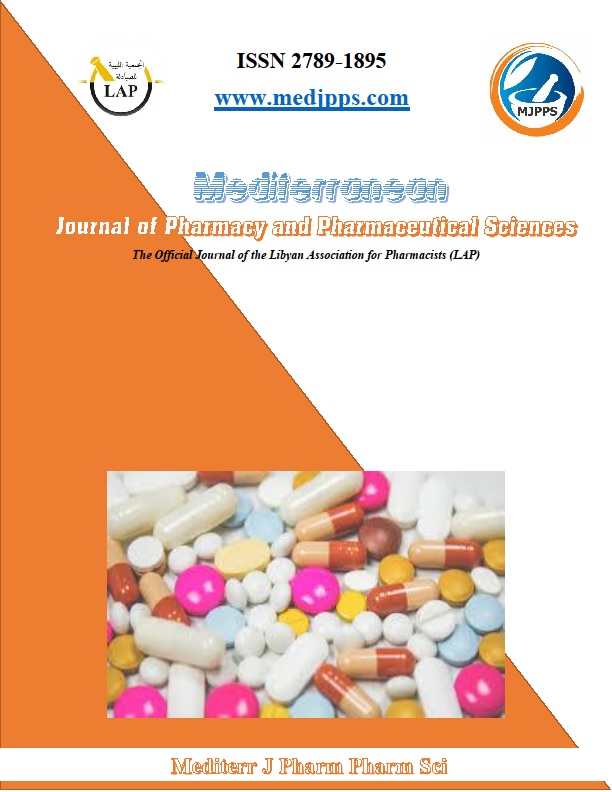 Mediterranean journal of pharmacy and pharmaceutical sciences
Speech stress analysis based on lie detector for loyalty test
Human being has lot of virtual mask in their behaviour (mind or brain). By the way of probability study alone, be able to find a person’s loyalty through their emotions, stress of speech, way of expressions and so on. It is not a novel technique to this world. The judgement and the hearings are finalizing in accordance to passed parameters (questions, transparent as well hidden test) and the result. Artificial Neural Network (ANN) is one of the best methods meant for speech stress analysing based cheap lie detection for the loyalty test. To show the results, polygraph is a comprehensible demonstration oriented approach. These methods are already used by the insurance fraud investigations and police. Through an individual’s stress (stress percentage or else range) voice as well their emotions are able to detect the loyalty. Lie detection techniques require being extremely confidential and dynamic. For the reason that voice stress analysis (VSA) parameters have to be an encrypted for avoiding speech practise with testing tool. Here this paper, outlooks by using for predicting the liars through Speech VSA.
 Dr h shaheen
A case of cyclophosphamide-induced posterior reversible encephalopathy syndrome: is it dose-related side effect?
We reported a case of cyclophosphamide (CYP)-induced posterior reversible encephalopathy syndrome (PRES) in a 26-year-old previously healthy male patient who was presented to the emergency department with a history of fever, shortness of breath, and hemoptysis. After extensive investigations, including bronchoscopy and autoimmune screening, he was diagnosed with renalpulmonary syndrome. The diagnosis of CYP-related PRES was based on the development of neurological clinical picture supported by magnetic resonance imaging findings. The dose of CYP was decreased to 75 mg/day, and the patient’s symptoms improved after 3 days.
 Karishma
Evaluation and comparison of clinical efficacy of ambu auragain with i-gel, in patients undergoing laparoscopic cholecystectomy
Background and Aim: Second and third-generation supraglottic airway devices (SADs) are increasingly used in laparoscopic surgeries due to their improved oropharyngeal seal and gastric drainage. This study evaluated and compared the clinical efficacy of the Ambu AuraGain (AAU) and the i-gel in patients undergoing laparoscopic cholecystectomy. Materials and Methods: In this prospective, randomized comparative study, 80 adult patients (ASA I and II) were randomly assigned to two groups (n=40 each): Group A (Ambu AuraGain) and Group G (i-gel). The primary objective was to compare oropharyngeal leak pressure (OLP). Secondary objectives included insertion time, ease of insertion, success rate, fiberoptic view of the glottis, and postoperative complications. OLP and peak airway pressure (PAP) were measured at various intervals, including during carboperitoneum. Results: The mean OLP was significantly higher in Group A than in Group G, both after insertion (32.9 ± 3.45 vs. 26.53 ± 1.61 cm H2O; p<0.001) and after deflation of carboperitoneum (34.15 ±2.9 vs. 28.2 ±1.71 cm H2O; p<0.001). The margin of safety (OLP–PAP) was significantly higher in the AAU group at all times (p<0.001). However, the i-gel was significantly faster to insert (14.8 ±2.94 vs. 22 ± 3.74 seconds; p<0.001) and easier to place (100% easy vs. 37.5% easy; p<0.001). Fiberoptic alignment was significantly better in the i-gel group, with 70% achieving a Grade 4 view compared to 29% in the AAU group (p<0.001). Postoperative complications were low and comparable between groups. Conclusion: Ambu AuraGain provides a superior oropharyngeal seal and a higher safety margin against leaks during laparoscopic surgery compared to i-gel. Conversely, i-gel is superior in terms of ease of insertion, speed, and anatomical alignment with the glottis, making it a better conduit for fiberoptic-guided intubation. Keywords: Ambu AuraGain, i-gel, Laparoscopic cholecystectomy, Oropharyngeal leak pressure, Supraglottic Airway device.
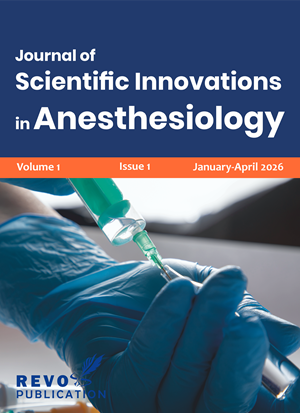 Journal of scientific innovations in anesthesiology
Impact of environment due to sars-cov-2 in india
Before the start of the SARS-CoV-2 (COVID-19) pandemic, the whole environment around us had been deemed very toxic to breathe in due to the amount of greenhouse gases that had been emitted over the centuries. The Earth faced rising temperatures, which in turn led to the melting of glaciers and rising of sea levels. Environmental degradation was happening fast due to the depletion of resources such as air, water and soil. But after the coronavirus lockdown (Talabandi) commenced, there have been changes in the environment. The lockdown still has a huge impact on people in India too. The halt of industrial production and traffic resulted in cleaner air and rivers. In India the first phase of the nationwide lockdown that began on March 24 followed by enforcement of a series of regulations had some evidences that the COVID-19 curve is flattening in the country's COVID-19 affected regions. There was a good chance Prime Minister Narendra Modi extended the lockdown (Talabandi) four times that ended on (Phase 1 (24 March-14 April)., Phase 2 (15 April-3 May)., Phase 3 (4 May-17 May) & Phase 4 (18 May-31 May). The paper focuses on different aspects of environmental impact due to SARS-CoV-2 in India.
 Rina kumari
Educational access for tribal groups in telangana state
A state in southern India called Telangana has a rich and varied cultural history. There are numerous tribes in the area, and they have long coexisted peacefully with the environment. These tribes have distinctive traditions that have been handed down through the generations. The Gond, Koya, Lambada, and Banjara are notable tribes in Telangana. Over the years, these tribes have encountered several difficulties, such as land acquisition, displacement, and a loss of cultural identity. However, via several government initiatives and community-based programs, efforts are being undertaken to maintain their culture and give them more authority. Tribal Development has been in the agenda for discussion at several levels in different forums for quite some time and continues to be an important aspect for serious deliberation in Telangana, not only because of a significant portion of the tribal population but more importantly because of the inequality of their participation, both socially and economically. The conventional wisdom that the tribal population should not be integrated with the mainline population, does not cut ice any longer as tribals themselves are eager to participate in national development and construction. A major initiative to empower the tribals, in my view is through the provision of appropriate educational opportunities to the children of the tribal families, though the aspects like infrastructural and health are identified as critical inputs. The present book tries to disclose the situation of the Scheduled Tribes in Telangana State. Various eminent scholars and students, media friends delivered their observations through their research papers. As per the observations and findings, the book contains some valuable and instant suggestions for overall development of tribes that the Telangana State Government has to play a major role in this endeavour This article critically examines initiatives for greater participation in education by tribal communities in India, arguing that current policy does not effectively enough facilitate greater participation and may, in fact, go against the avowed principle of ensuring greater equity. The article relies on fieldwork-based study to support arguments for the need to be culturally sensitive in making appropriate provisions for the education of scheduled tribes in India. Reasons for high dropout rates and non-enrolment among tribal children are examined and some searching
 Dr gedam kamalakar
The g-20 declaration: the new delhi declaration
The Delhi Declaration of G20 begins by stating that this is a “defining moment in history” and that G20’s decisions today will affect the future of the people and planet. Don’t dismiss this as typical diplomatic hyperbole, for this recognition of the importance of the moment, and the implications for the long-term, is central to understanding India’s historic Before it gets into the substantive elements across domains, the text, agreed upon in entirety by all 20 members, outlines the political, economic and environmental challenges that have engulfed the world. In a clear sign of India’s role in ensuring that the interests of both the global South, which constitute the marginalised within the international order, and the poor and vulnerable who constitute the marginalised within both rich and poor countries, is addressed, the text also lays out clear principles and priorities. The Indian presidency has made it clear that there will be no compromise between fighting poverty and fighting the climate crisis. And themes such as ensuring growth, getting sustainable development goals (SDGs) back on track, battling the climate crisis, preparing for health emergencies, reforming multilateral development banks (MDBs), dealing with the debt crisis, spreading digital public infrastructure (DPI), generating jobs, bridging the gender gap, and giving a voice to the global south dominate the letter and spirit of the document.
Molecular characterization of melanin pigment producing actinomycetes.
The soil samples were collected from Melia dubia plantations in two different locations in Tamil Nadu. A total of twenty five actinomycetes isolates were isolated and they were screened for melanin pigment production using different culture media. Only two isolates were able to produce melanin pigment under in vitro study and one isolate showed positive reaction to L-tyrosine substrate. Based on morphological and bio-chemical characters the isolate was identified as Streptomyces sp. The DNA of the isolate was isolated and its 16S rDNA gene was amplified and sequenced. The phylogenetic analysis of Streptomyces puniciscabiei was carried out.
 Dr. saranya devi k
Learning management of physical education for sports and health during the covid-19 pandemic in min 2 palangka raya city
This study aims to determine the process of implementing PJOK learning in limited face-to-face learning during the Covid-19 pandemic in class V MIN 2 Palangka Raya City. This type of research is qualitative with case studies. Data collection techniques by observation and interviews. Meanwhile, data analysis uses descriptive data analysis. The results of this study show that:1) planning for sports and health physical education learning during the Covid-19 pandemic in MIN 2 Palangka Raya City: Teachers plan the PJOK class V learning program, develop the Annual Program, carry out Semester Program activities, carry out learning plans in the learning syllabus, distribute effective weeks.2) Implementation of Sports and Health Physical Education learning in MIN 2 Palangka Raya City, namely: development of the Annual Program into the Learning Implementation Plan, carrying out Semester Program activities, implementation of learning plans in the learning syllabus, online teaching, and learning process activities teachers explain teaching materials, apply learning methods.
 Educare: journal of primary education
Sorting of human mesenchymal stem cells by applying optimally designed microfluidic chip filtration
Human bone marrow-derived mesenchymal stem cells (hMSCs) consist of heterogeneous subpopulations with different multipotent properties: small and large cells with high and low multipotency, respectively. Accordingly, sorting out a target subpopulation from the others is very important to increase the effectiveness of cell-based therapy. We performed flow-based sorting of hMSCs by using optimally designed microfluidic chips based on the hydrodynamic filtration (HDF) principle. The chip was designed with the parameters rigorously determined by the complete analysis of laminar flow for flow fraction and complicated networks of main and multi-branched channels for hMSCs sorting into three subpopulations: small (<25>40 μm) cells. By focusing with a proper ratio between main and side flows, cells migrate toward the sidewall due to a virtual boundary of fluid layers and enter the branch channels. This opens the possibility of sorting stem cells rapidly without damage. Over 86% recovery was achieved for each population of cells with complete purity in small cells, but the sorting efficiency of cells is slightly lower than that of rigid model particles, due to the effect of cell deformation. Finally, we confirmed that our method could successfully fractionate the three subpopulations of hMSCs by analyzing the surface marker expressions of cells from each outlet.
Budd-chiari syndrome in gaucher disease type iii in an adult libyan male: letter to the editor
Gaucher Disease (GD) is the most common lysosomal storage disorder. The prevalence of GD is approximately 1/100,000, and type III GD accounts for 5% of cases. [1] It is an autosomal recessive disease due to a GBA gene mutation, leading to glucocerebrosidase enzyme deficiency. [1,2] Gaucher disease (GD) is categorized into three types according to clinical presentation: [3] Type I, which is non-neuronopathic and most common, particularly among Ashkenazi Jews; Type II, which is acute neuronopathic and marked by significant neurological involvement and high mortality rates; and Type III, which is subacute neuronopathic, exhibiting both systemic and neurological symptoms. In this report, we discuss a 24-year-old man from Libya diagnosed with GD type III. His diagnosis was established at the age of one due to symptoms including pallor, poor appetite, and hepatosplenomegaly. Laboratory tests indicated a hemoglobin level of 5.6 g/dL, chitotriosidase activity of 18,742 μmol/L, and an angiotensin-converting enzyme level of 251 UI/L. Genetic analysis confirmed a homozygous L444P mutation. He underwent splenectomy at the age of three, and enzyme replacement therapy (ERT) was administered intermittently with regular follow-ups until 2011. In December 2023, the patient experienced two weeks of abdominal pain, distension, and fatigue. A physical examination revealed ascites, dilated abdominal veins, and an enlarged liver and spleen.
Bridging the gap: a strategic review of natural product databases and the proposal for the libyan natural products database
Natural products are a vital source of therapeutic agents due to their diverse chemical structures and wide range of biological activities. With the advancement of computational technologies, natural product databases have become essential tools in drug discovery, offering organized access to chemical structures, biological properties, and biosynthetic information. These databases support various stages of drug development, from target identification to lead optimization. This review outlines the essential features of Natural Products Databases and introduces the framework for the first Libyan Natural Products Database, a project designed to harness Libya’s unique biodiversity. This foundational work involves a detailed review of existing natural product databases to identify their core components, data architectures, and user interface designs. While acknowledging challenges such as data standardization, limited resources, and long-term sustainability, the creation of the Libyan Natural Products Database is expected to enhance local scientific capacity and contribute meaningfully to the global drug discovery landscape. This positions the Libyan Natural Products Database to play a foundational role in advancing pharmaceutical research and drug discovery.
Mediterranean journal of pharmacy and pharmaceutical sciences
Laparoscopic cholecystectomy in situs inversus totalis, challenges from the surgeon’s perspective: a case report
Situs inversus totalis (SIT) is a rare birth defect marked by a complete reversal of the positions of abdominal and thoracic organs, resembling a mirrored image. This condition can raise challenges both in diagnosis and treatment procedures. Management of cholelithiasis in SIT patients presents difficulties due to the anatomical differences. We present a case involving a 47-year-old male patient who experienced intermittent left upper abdominal pain over the course of 4 months; the pain had worsened in the last 2 months. The pain was felt radiating to the waist and left back and was accompanied by nausea and vomiting. After clinical assessment and radiological investigations, such as thoracic X-ray and abdominal ultrasound, the patient was suspected of having cholelithiasis and SIT. The patient underwent an elective laparoscopic cholecystectomy without complications and experienced an uneventful recovery. Several intraoperative adjustments were implemented to address the technical challenges arising from the underlying anatomical variation.
Expanding horizons: how foreign direct investment shapes higher education worldwide
In today's globalized world, the role of foreign direct investment (FDI) in shaping higher education cannot be overstated. This paper explores the multifaceted impact of FDI on higher education institutions worldwide, delving into its influence on academic programs, research endeavors, institutional infrastructure, and student experiences. Drawing upon a comprehensive review of scholarly literature, policy documents, and case studies, this paper elucidates the ways in which FDI contributes to the expansion and transformation of higher education systems across the globe. The analysis begins by examining the motivations driving foreign investors to engage with higher education, including economic imperatives, strategic partnerships, and knowledge transfer objectives. It then explores the diverse forms that FDI takes in the higher education sector, ranging from institutional partnerships and joint ventures to the establishment of branch campuses and research collaborations. By analyzing specific examples from different regions, this paper illustrates how FDI shapes the academic landscape, fosters innovation, and enhances internationalization efforts within higher education institutions.
Innovation in research in undergraduate in india
This brief inspects the situation with research in Indian advanced education and offers an outline of the idea of undergrad (UG) research as a method for change. The article endeavors a short survey of the public authority endeavors to further develop advanced education examination, and underlines the restrictions of their degree just as their ramifications. Through a sweeping audit of existing experimental and subjective investigations, this concise shows the advantages and effects of UG research on improvement of insightful characteristics in understudies also its impact on foundations. At last, it suggests methods of drafting this idea in the current arrangement of undergrad schooling in India, in view of remedies by the Chamber on Undergrad Exploration
A study to assess the academic procrastination factors for general nursing students at selected schools of nursing, bhopal, with sample size of 50 general nursing students.
Background: The goal of nursing profession is to prepare the nurses to meet diverse needs of the patients, delivering holistic care to the patients. It is the need of the hour for the Nursing students to utilize their knowledge, skills, and technologies to practice independently and collaboratively with all health professionals. Any type of negligence in their work may result in dire consequences. Method: Descriptive Survey Research design was adopted for a study to assess the Academic Procrastination factors for General Nursing students at selected Schools of Nursing, Bhopal, with Sample size of 50 General Nursing students. Result: Result revealed that majority, 35 nursing students were male whereas 15 were females, majority of students (18) were in age group of 22-23 years, 32 students were in GNM 3rd year, mostly (43) resided in Urban area, majority (44) belongs to nuclear family, and 28 mothers as compared to 41 fathers of students were educated. Out of 50 respondents who were the subjects of research on the causes of academic procrastination, namely: 12 respondents (24%) said that it was caused by habit, 15 respondents (30%) answered Poor time management, 23 respondents (46%) said it was due to Tiredness, 28 respondents (56%) said it was due to peer pressure, 22 respondents (44%) due to Low motivation, 14 respondents (28%) answered unclear tasks, and 36 (72 %) said it was due to Deadlines for submission. Majority of nursing students 38 (76%) were moderately affected by Personal factors, and by Environmental factors only 26 (52%) students were moderately affected as compared to academic factors at 12 (24%) students who were moderately affected. Conclusion: The study concluded that personal and environmental factors have more effects on academic procrastination as compared to academic factors
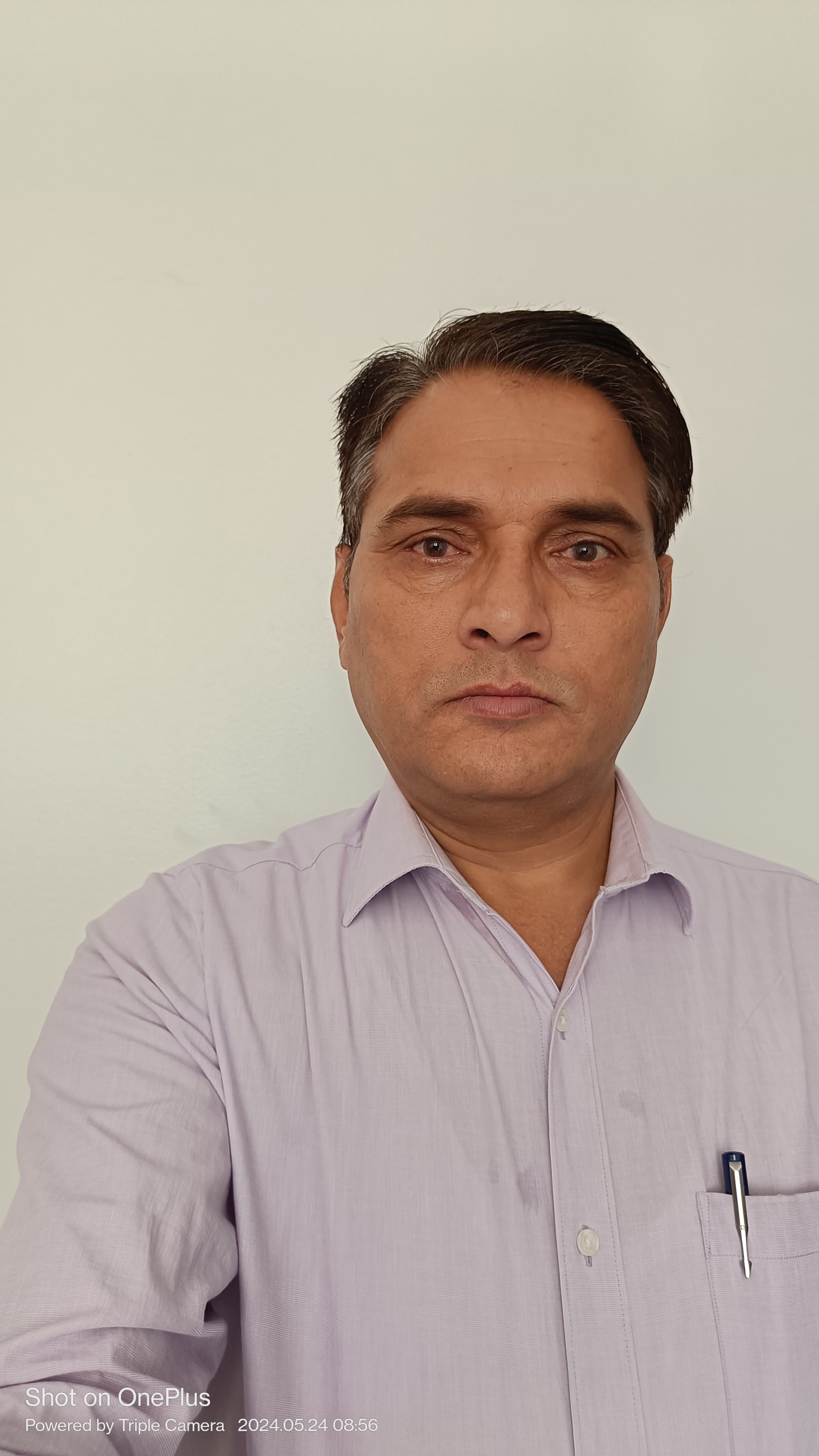 Dr k c yadav
Growth of brushite crystals on glass slide: a simple and inexpensive in vitro model to evaluate natural antiurolithiatic drugs
The kidney contains mineral deposits in various phases of calcium salts, such as calcium oxalate and calcium phosphate. Calcium hydrogen phosphate dihydrate (CaHPO4.2H2O) / brushite is a stable form of calcium phosphate, which exists in the form of kidney and bladder stones. The study aimed to explore the possible morphological features of brushite crystals. The study was carried out on a glass slide under a microscope to observe the growth patterns of these crystals. For this purpose, a drop of gel medium (sodium meta silicate solution + 1M orthophosphoric acid solution) at pH 4.99-5.09 was placed in the middle of a glass slide and converted into a gel. A 1M calcium chloride drop was added to form the gel adequately. The glass slide was observed under a microscope till it was completely dried. Calcium hydrogen phosphate dihydrate was formed as elementary needles, needle clusters, an assemblage of needles with platy crystals, plates with spatial branches, radiating assemblage of platy crystals, star shape crystals and tetragonal bipyramidal. The Current study provides brushite crystallisation phases on glass slides for the first time. It may also be used as a model to evaluate prophylactic management against renal stones through in vitro assessment of crystal growth and aggregation inhibition and modulation of developing or developed crystals by using different natural products. However, it was a preliminary study with no quantitative or statistical analysis.
 Dr. salman ahmed
Vitamin c and human diseases: an overview
Vitamin C is associated with history of the cause of the ancient hemorrhagic disease scurvy. Vitamin C is an essential nutrient with important antioxidant properties. It is required by the body for normal physiological function. The body cannot synthesize vitamin C, it is present in nature through foods and other natural sources and it exists as a nutritional food supplement. The antioxidant activity of vitamin C protects the body from free radical damage. Vitamin C is essential for the development and maintenance of connective tissues. It is used as therapeutic agent in many diseases and disorders. Vitamin C plays an important role in several metabolic functions, as the conversion of the amino acid, tryptophan, to the neurotransmitter, serotonin, and the conversion of cholesterol to bile acids. Vitamin C supplementation resulted in a significant increase in vitamin C levels in populations; its high intake is associated with positive effects on cardiovascular risk factors. Vitamin C protects the immune system, reduces the severity of allergic reactions and helps to fight infections. It has an important role in bone formation, wound healing and the maintenance of healthy gums. There is profound beneficial effect of vitamin C in respect to human diseases as cancer, atherosclerosis, diabetes, neurodegenerative disease and many metal toxicities. Several vitamin C analogs have been produced as anticancer and antioxidant activity. Vitamin C is useful if it is used as adjuvant therapy for several chronic diseases. Thus, this review summarizes the importance of vitamin C in the body’s physiology and biochemistry, in addition, the different mechanisms that vitamin C is implicated to treat different acute and chronic diseases. Future exploration should pay attention to chronic disease management by vitamin C.
Mediterranean journal of pharmacy and pharmaceutical sciences
Evaluation of the effects of thermal processing treatments on the nutrient and anti-nutrient composition of pigeon pea (cajanus cajan) seed flours
This study was carried out to evaluate the effects of thermal processing techniques on the nutrient and antinutrient contents of pigeon pea (Cajanus cajan) flours. The pigeon pea seeds were sorted, cleaned and divided into five equal lots of 0.5kg each. Four lots of pigeon pea seeds were processed into blanched, boiled, roasted, and autoclaved pigeon pea flours, while the fifth lot was processed raw and used as control. The raw and thermally processed samples obtained were analysed for nutrient and antinutrient composition using standard methods. The proximate composition of the samples showed that the flours had a range of 8.61 - 11.46 % moisture, 21.13 - 23.94 % crude protein, 1.26 - 1.68 % fat, 5.12 – 6.10 % crude fibre, 1.74 – 2.97 % ash, 55.56 – 60.41 % carbohydrate and 333.45 - 342.75 kJ/100g energy, respectively. The mineral composition showed that the flours contained 86.24 – 144.72 mg/100g calcium, 137.80 – 170.33 mg/100g magnesium, 125.86 - 156.76 mg/100g potassium, 66.66 – 95.62 mg/100g sodium, 4.38 – 6.64 mg/100g iron and 130.27 – 178.29 mg/100g phosphorus, respectively. The vitamin content of the flours were 3.09 - 4.33 mg/100g ascorbic acid, 0.05 - 0.17 mg/100g thiamine, 0.03 - 0.21 mg/100g riboflavin, 0.13 - 0.28 mg/100g niacin, 3.21 - 6.25 mg/100g vitamin A and 1.10 - 2.70 mg/100g vitamin E, respectively. The antinutrient composition of the flours also showed that the levels of trypsin inhibitor, tannin, phytate, oxalate, saponin and haemagglutinin ranged from, 2.30 – 5.61 Tiu/mg, 0.81 – 1.5mg/100g, 1.12 - 4.18mg/100g, 0.48-4.01 mg/100g, 1.28 – 3.66 mg/100g and 1.30 – 7.44 Hiu/g, respectively. Therefore, the study showed that thermally processed pigeon pea flours could be used as nutrient dense ingredients in the preparation of a wide range of foods for children, adolescents and aged adults especially in developing countries where the problems of protein-energy malnutrition and micronutrients deficiencies are prevalent than the raw sample.
 Okechukwu obed chukwuemeka
Most Popular Category
- Pharmacy (270)
- Education and social science (224)
- Pharmacology (223)
- Pharmacognosy (178)
- Business management (147)
- Pharmacology and toxicology (134)
- Education and training (131)
- Pharmaceutical sciences (130)
- Medicine (129)
- Research (123)
- Health Science (100)
- Biological Sciences (99)
- Management (98)
- Computer Science (94)
- Public health (91)
- Computer Science Applications (87)
- Human resource management (83)
- Engineering (79)
- Accounting and finance (73)
- Information technology (69)